
Steelhead Fish Vancouver Island
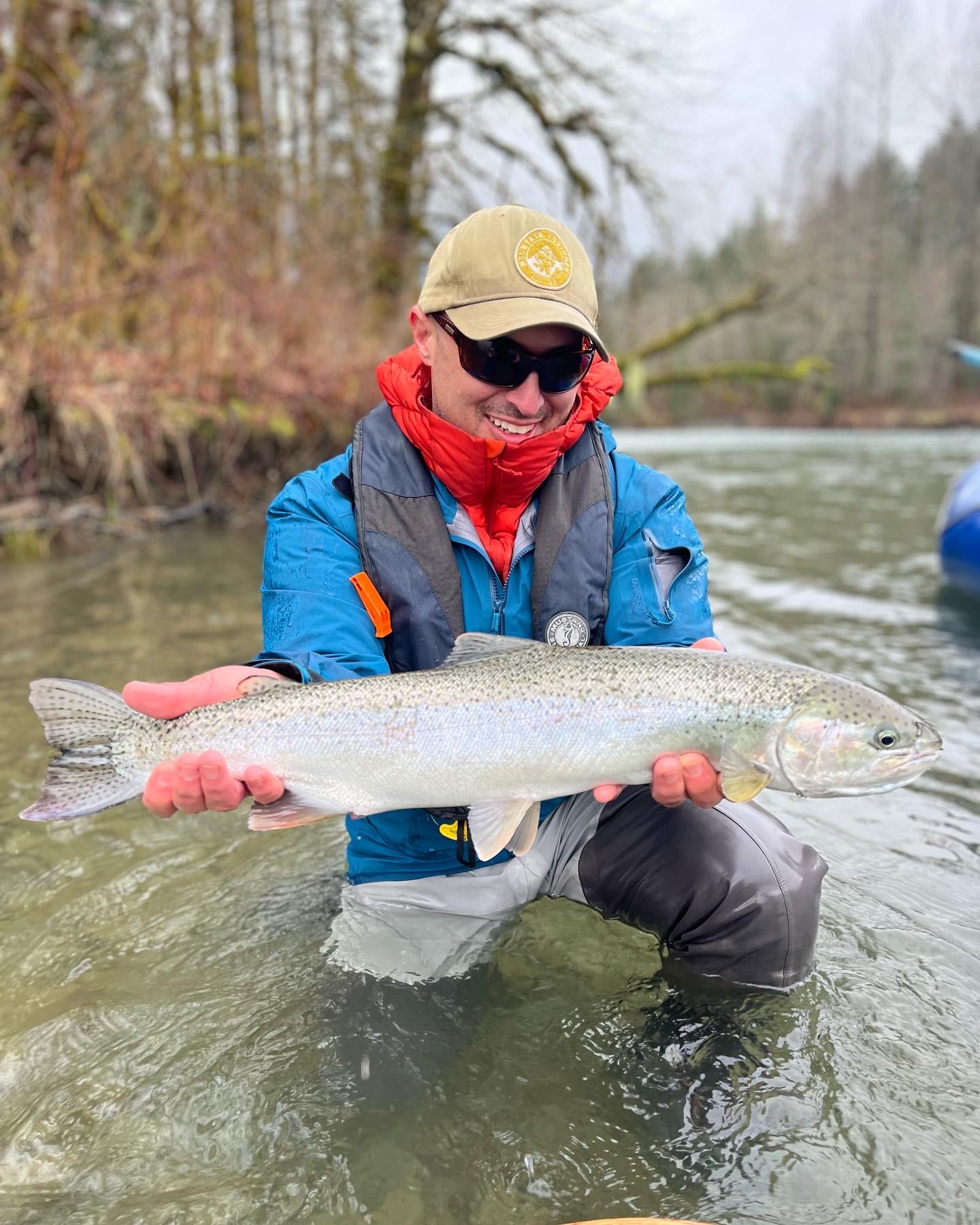
Steelhead Fish Vancouver Island are considered the most prized fish by many anglers, as they are challenging to catch and live an incredible life.
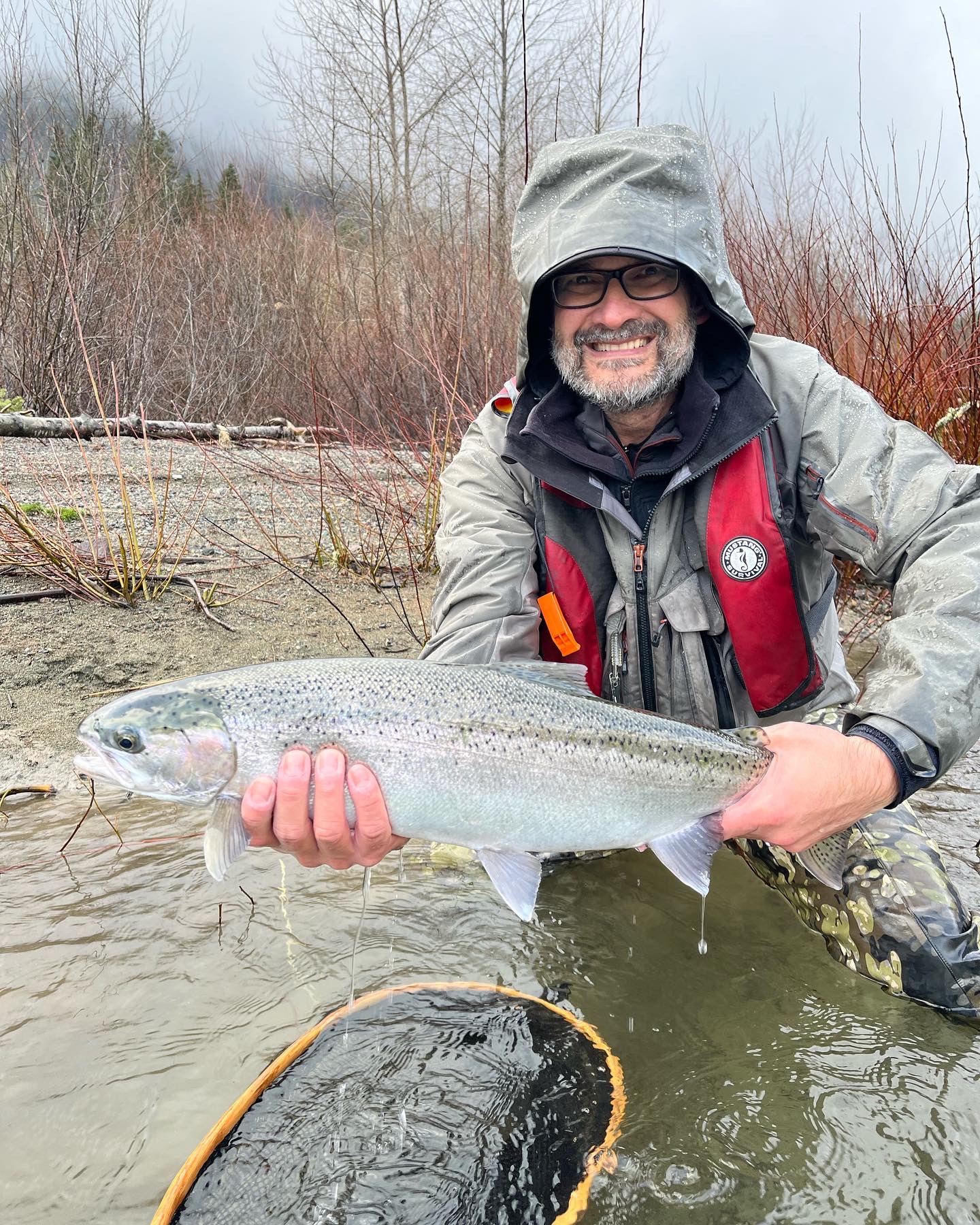
A steelhead is normally thinner than a rainbow trout but grow faster in the salt water . They have a blue green shading on their back with dark green or black spots which also cover the tail, and the stomach is white.
A steelhead that comes straight out of the sea are very shiny in color however the longer they are in the freshwater getting ready to spawn the more they begin to look like other native rainbow trout.
After they spawn they will return to their chrome silvery color that anglers enjoy to see. This color change is very important in both fresh and saltwater as it conceals them from prey better in whichever environment they are in.
The life of a Steelhead fish is much more difficult than that of a trout, due to their migration to the ocean. Reports have found that only 5 or 10 steelhead return to their home river out of the 100 that head to the ocean. This decrease in numbers is due to predation, commercial and sport fishing. After their first 1-3 years in freshwater steelhead start to migrate to the ocean and can travel thousands of kilometers in the pacific ocean and have even been caught off the coast of Japan!
Spawning occurs in the late winter or early spring and the males (bucks) can spawn with several females (doe) but it is more common for the males to die afterwards. The surviving fish return to the ocean to replenish their strength lost from this tough journey and some fish will return the next year to do it all over again while others will wait until the following winter.
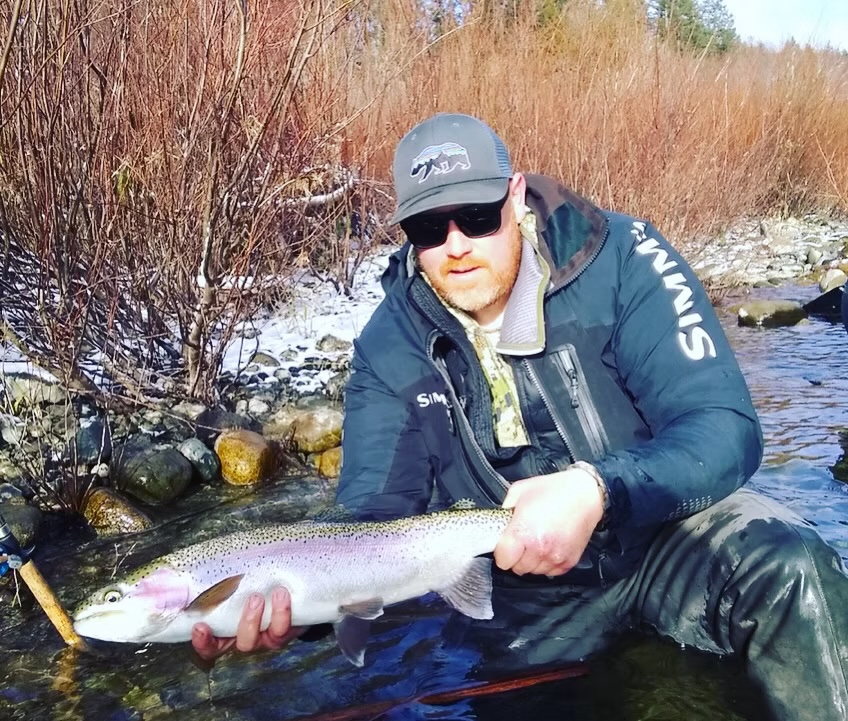
Steelhead Fish Record
The largest caught steelhead ever recorded was by an angler in Alaska- it was 42lbs. Typically they weigh between 5 and 13lbs. Steelhead can live up to 8 years and head home to spawn for the first time when they’re mature at 5-6 years of age.
Unfortunately there is little credible information on record Steelhead Fishing Vancouver Island. Different sources list various sizes as the record here.
This journey is amazing and challenging. These wild fish deserve the utmost respect. When catching these beautiful fish safe handling is very important for future generations. Conservation practices ensure outdoor enthusiasts can enjoy the sport of fishing for many generations.
Keep wild fish wet!